


When immigration policy is driven by politics rather than economic reality, the consequences are rarely confined to debate—they are felt directly in the marketplace. Recent economic data and independent studies confirm what many business leaders and analysts have warned for years: aggressive anti-immigration measures are actively undermining U.S. economic stability.
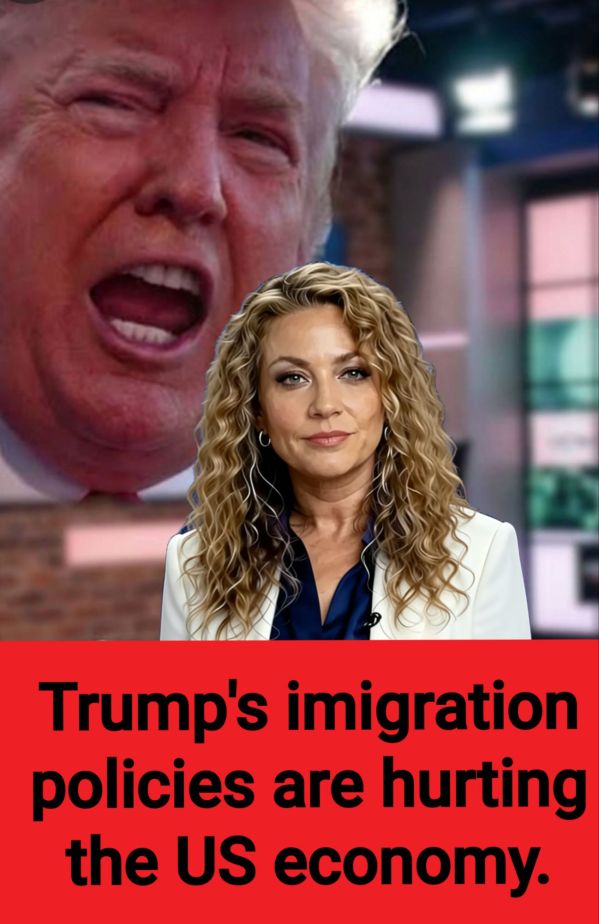
The combination of widespread ICE raids, strict enforcement campaigns, and mounting barriers to legal visas has done far more than alter demographic trends. It has created a self-inflicted blow to two fundamental pillars of economic health: the labor force and consumer confidence.
- The Fallacy of a Reduced Workforce: Restricting immigration under the promise of protecting local jobs overlooks a basic market truth: modern supply chains and essential service sectors rely heavily on an international workforce. Shrinking this pool does not automatically create local prosperity; instead, it leaves critical positions unfilled, inflates costs, and slows productivity.
- The Invisible Ripple Effect on Spending: An economy thrives when people feel secure enough to participate in it. Heightened restrictions and continuous raids foster an environment of uncertainty that suppresses consumer activity. When entire communities step back from everyday spending, local businesses across all industries feel the strain.
Immigration policy should be designed to strengthen a nation’s future, not choke its economic potential. Securing borders and upholding law are valid priorities, but when enforcement strategies ignore economic interdependence, the price is paid by businesses, consumers, and working families alike.
Join the Conversation
What are your thoughts on the balance between national immigration enforcement and economic stability? Do you see these labor shortages and shifts in spending affecting businesses in your local area?
Leave your comments below—we’d love to hear your perspective!

 Dra. Martha Andrea Castro Noriega, MD