Education, Health, Information

Learning Wednesday: Rheumatoid Arthritis Part 1

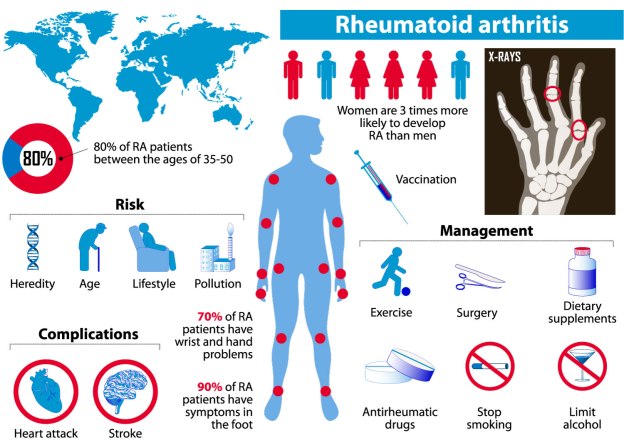
As Rheumatoid Arthritis (RA) begins to affect your body, small joints like your fingers and toes may become warm, stiff, or swollen. These symptoms may come and go and can last a few days or a few weeks.

If not treated adequately, RA can have a significant impact on a patient’s daily life. 60% of people who have RA but are not receiving effective treatment may be unable to work after 10 years.  
health medicine dr martha castro noriega mexico california america
Health, Lifestyle

Fibromyalgia a Scary Disease You Must Have Control Over

FIBROMYALGIA DIAGNOSIS

Fibromyalgia is not «an imaginary disease», it is real and it needs to be addressed as such. It is a seriously misunderstood illness, mainly because, as you know, many sufferers may not “look sick.” This is why it is so important to talk about it as a so-called “Invisible Disease,” because not a lot of people nor medical doctors take it seriously.

Fibromyalgia is underdiagnosed

Clinicians should be familiar with the signs and symptoms of fibromyalgia and diagnose the condition with minimum investigation. Any Medical Doctor who doesn’t know how to detect this pathology needs to take some courses about how to diagnose it and treat it.

If you are suffering from fibromyalgia, you need to know some facts about it and remember: do not feel shame for feeling the way you do. You can control this disorder and don’t let it overpower you.

Fibromyalgia can be a hard disease to get a diagnosis for since so few people understand it.

It is imperative that we learn and educate our patients, my followers and our loved ones about what fibro warriors go through every day. Let’s take in consideration their suffering and support them fully.

UNDERSTANDING THE ILLNESS:

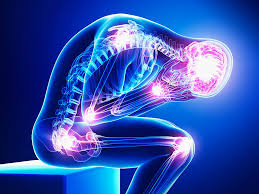
Patients with fibromyalgia experience body pain that weakens them. There is chronic aching in different points of the body, stiffness, and tenderness.

They feel tired most of the time and this makes them nervous, worry and in some cases, their blood pressure tends to increase due to the pain and the worries.

Patients often tell me that they feel their vitality is going away and their strength with it.

Problems for mental concentration start to appear because of the lack of serenity and constant pain that doesn’t go away with pain killers. Yes, the pain, they say, might subside for a little bit, few hours maybe, but it comes back, sometimes in the same area of the legs, knees, shoulders. Some other times it comes back stronger attacking another area of the body.

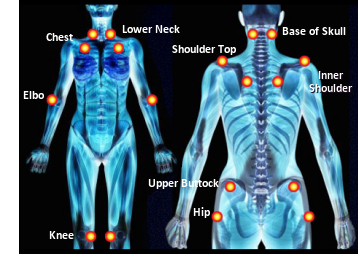
TENDER POINTS

Patients say «even the skin burns, it hurts so much it is scary». Patients do hurt, not only physically but mentally, so much that their quality of living begins to diminish. At this time is when this disease -fibromyalgia- causes panic attacks, excessive crying, and/or depression.

FIBROMYALGIA IS A DEBILITATING DISEASE

Patients tell me they have problems going up and downstairs, difficulty lifting up the arms. They feel a burning sensation along the inside of the skin of the legs, the arms, even the back.

They refer to a constant «pain in my lower back», call lumbalgia.

The cervical spine and both sides of the neck hurt so much some doctors confuse the diagnosis with torticollis and prescribe medicine for it. Of course, the patient might feel some relief for a day or two and then the pain comes back.

Muscles, tendons, ligaments, and skin burn and hurt, making the movements of all the parts of the body strenuous, walking and daily activities very arduous and depending on the gravity of the illness, even impossible.

MORE SYMPTOMS

…include headaches, loss of strength in the hands to hold objects, which they fall off their hands: «Things just fall off my hands. It’s like my muscles don’t have the strength anymore».

Tripping on is more common, clumsiness, general discomfort. Sometimes patients lose balance and fall backward or forward.

ORIGINS OF THE FIBROMYALGIA

This illness has multiple causes and factors. Usually a very stressful childhood, child abuse of any kind.

PTSD (Post-Traumatic Stress Disorder) of any origin: soldiers who come back from war, a stressful or violent marriage, separations, forced immigration, traumatic abandonment of any kind, the loss of loved ones, even the loss of a limb can trigger this syndrome.

THE PATH TO RECOVERY

Recovery is possible. Taking control of your life is absolutely needed to achieve this goal. You can be happy and pain-free increasing the quality of your life.

Beauty, Health, Information

What is the Difference Between Forgetting and Alzheimer’s Disease?

Forgetting or forgetfulness can be very scary for some people, especially if it becomes frequent in patients younger than 65. When you live a life plagued with stress your mind starts to give more importance to those things that cause you to worry the most.

You start to forget where you left the keys, the wallet, the pen, etc. But even if the patient is 65 or older when s/he commences to be forgetful, it doesn’t mean s/he has Alzheimer’s Disease. Anxiety and depression can mimic dementia. If you are a young adult, in your twenties or thirties and you are not eating well, you drink alcohol excessively, smoke and don’t exercise regularly, you might experience «forgetfulness due to extreme stress».

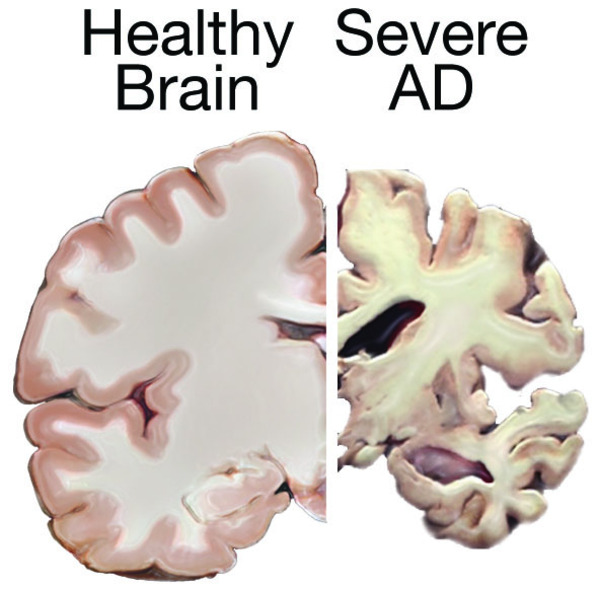
Patients with Alzheimer tend to repeat themselves because they lose their short memory especially in the early stage. They forget recently learned information like dates or events, asking for the same information over and over.

Patients are frequently misdiagnosed in several medical areas, a mental illness is one of them. That is why it is very important to have the right knowledge about it and the most innovated equipment in this age of technology. IQuity is tackling Alzheimer’s biomarkers using the «Machine Learning» (yes, machine learning not learning machine) that uses artificial intelligence.

If you are concerned about yourself or a loved one, do not hesitate to consult with your doctor as soon as possible.

Remember that prevention is the key for a healthier, happier and longer life — Dr. Martha A. Castro N., MD