AR (Augmented Reality) is the future of computing, truly. It transcends traditional computing with 2D monitors, mice, and keyboards – and takes us into spatial computing, with 3D holograms and more natural interactions. It’s a whole new way of interacting with digital content in the context of the real world.
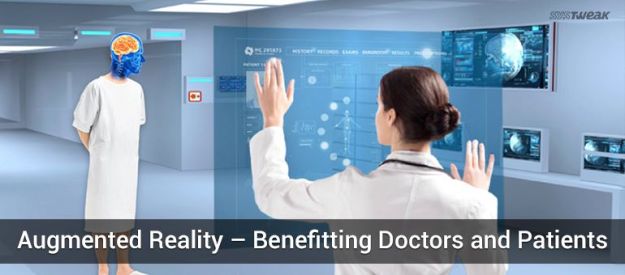
Although there are several forms of AR such as mobile and smart glasses, the most advanced and powerful is immersive AR, which is defined as photorealistic, high-resolution, life-size holograms wrapped in a natural interaction paradigm using direct hand manipulation and voice commands. Immersive AR has immense potential to change how we communicate, collaborate, and create… enhancing our human interaction in the process.
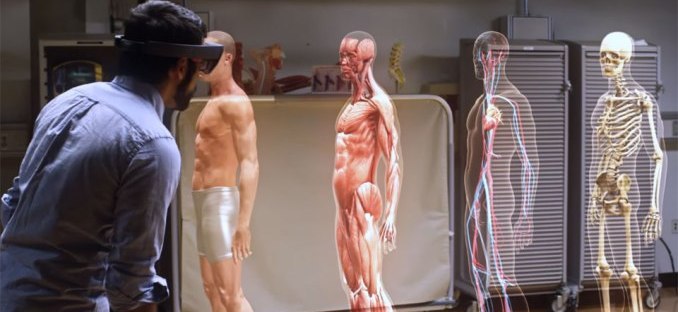
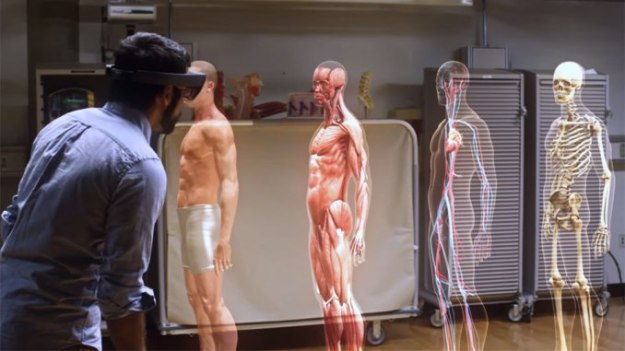
Healthcare is one of the primary verticals in AR with the most to gain. In healthcare education, medical schools are starting to train a new generation of healthcare professionals using interactive 3D anatomical models – reducing the need for cadavers and significantly improving training and comprehension.
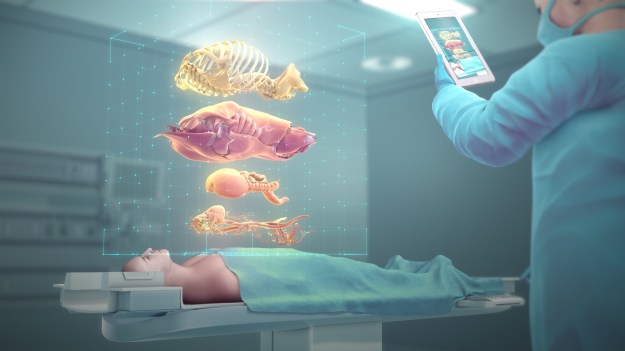
With immersive 3D medical imaging, AR can assist with everything from diagnosis, to patient communication, to collaborative pre-operative planning, to the surgery itself, where 3D MRI/CT scan is overlaid onto the patient. The benefits of 3D medical imaging go well beyond providing high financial value – they represent the future of caregiving.
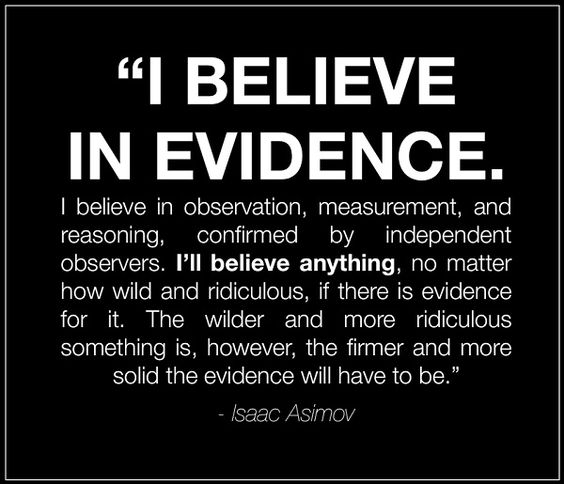
“Don’t you believe in anything?” Isaac Asimov said, «I believe in evidence. I believe in observation, measurement, and reasoning, confirmed by independent observers».
«Organized» religion, «des-organized» religion: sects and cults, have been created by humans throughout millennia. As humans evolved from small hunter-gatherer tribes into large agrarian cultures, our ancestors needed to encourage cooperation and tolerance among relative strangers. Religion then—along with the belief in a moralizing God—was a cultural adaptation to these challenges.
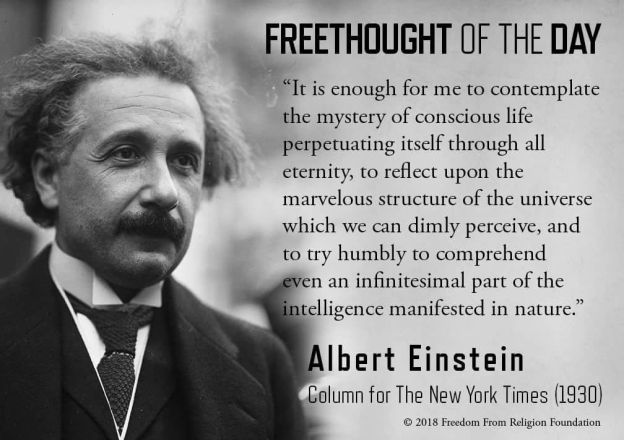
Einstein would probably not have classified himself as a freethinker in the sense in which it is used in this movement. He probably would not have supported all the positions taken in the Freethinker. However, he puts an absolute priority on the need for all of us to think independently of established ideas. This is how he overthrew Newtonian physics.
Are you a disorganized person? Good news: you are intelligent! Well, that is what a scientific study tells us, known us Torrance Tests of Creative Thinking (TTCT) conducted by the University of Georgia. NOTE: Please, have in mind that «being disorganized» does not mean having your house, room, or office upside down, lol.
Since I was a child I had to deal with disorganization problems. I made myself do things in an organized manner, but it was and still is a constant fight; but now I have found a magnificent and important reason to explain the way I behave, and it is simple: I am intelligent.
However, I don’t think that people who are well-organized are NOT intelligent, au contraire. I am just happy to have found 9 reasons to excuse my disorganization traits…and I have them all!
WHAT BEING DISORGANIZED MEAN FROM THE INTELLIGENT POINT OF VIEW:
1. They Are Extraordinarily Creative.
2. They Have Difficulty Maintaining Focus On Things That Bore Them.
3. They Are “Addicted To Insight”.
4. They Have A Wide Variety Of Interests.
5. They Tend To Lose Track Of Time.
6. They Are Visionaries Who Often Score In The Gifted Range On Verbal IQ Tests.
7. They May Appear To Be “Geeks” Or “Know-It-Alls” To Others.
8. They Develop Strong Attachments To Often Unrelated Things And People.
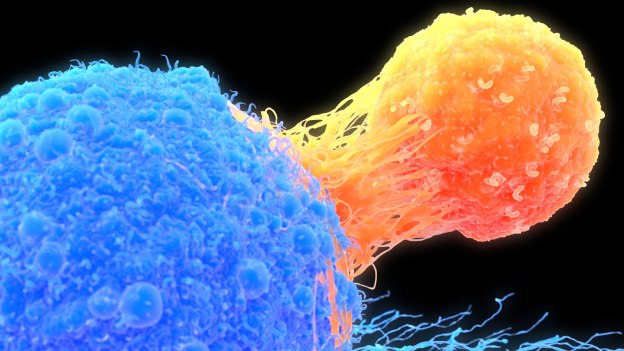
«The treatment, known as CAR-T cell therapy, used the patients’ own genetically engineered immune cells to track down and kill cancerous cells (SN: 6/27/18). Based on the results, “we can now conclude that CAR-T cells can actually cure patients with leukemia,” cancer immunologist and study coauthor Carl June of the University of Pennsylvania said at the briefing.»
Freethinkers are those who are willing to use their minds without prejudice and without fearing to understand things that clash with their own customs, privileges, or beliefs. …
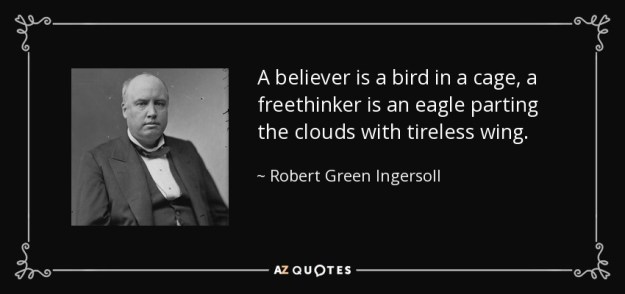
A believer is a bird in a cage, a freethinker is an eagle parting the clouds with tireless wings.
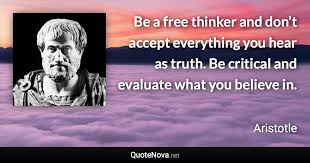
Aristotle was an advocate of reason. He stood for material truth. He was not so interested in Plato’s arguments that claim truth is more a spiritual ideal and not a material reality. Aristotle is called the father of science for that reason. He studied everything, observed how things worked.
<br>Wer ist der wahre eigentümer/schöpfer des herzens ? Gott gibt nur das Herz, du füllst es. Achtung. Was füllst du? Denn dann musst du es leeren. beschmutze nicht dein herz. Allah weiß auch, was in den Tiefen der Herzen ist. Alles was schön ist… Seele, Herz, Liebe, Glaube… Wer Kämpft, kann Verlieren. Wer nicht Kämpft, hat schon Verloren. Lebe jeden Tag deines Lebens, als wäre es dein letzter. Also wirst du eines Tages Recht haben"
Hermanus Website Designers, we specialise in developing WordPress websites like online stores, estate agencies, accommodation sites, business sites and more.




 Dra. Martha Andrea Castro Noriega, MD